
Scaling Your Swiss Startup:
From Local to Global.
In 2026, the Swiss startup ecosystem has matured beyond its borders. Scaling is no longer just about hiring; it's about disciplined execution, technological integration, and cultural leadership.
Beyond the Hype: The "Messy Middle" of Growth
There is a common misconception in the Swiss ecosystem that scaling is an era of pure excitement—a linear path fueled by venture capital and celebratory LinkedIn posts. Having founded and exited two successful ventures myself, I can attest that the reality is far more nuanced.
Scaling represents the difficult transition from an idea-driven "tribe" to a process-driven "organization." As you move through 2026, the complexity of the Swiss market—characterized by its high costs, multilingual requirements, and stringent regulatory frameworks—demands a strategy rooted in evidence rather than optimism.
When a startup begins to scale, the initial enthusiasm often gives way to operational chaos. The systems that worked for a team of five in a Zurich co-working space will inevitably break when you reach fifty employees across Geneva, Berlin, and Singapore.
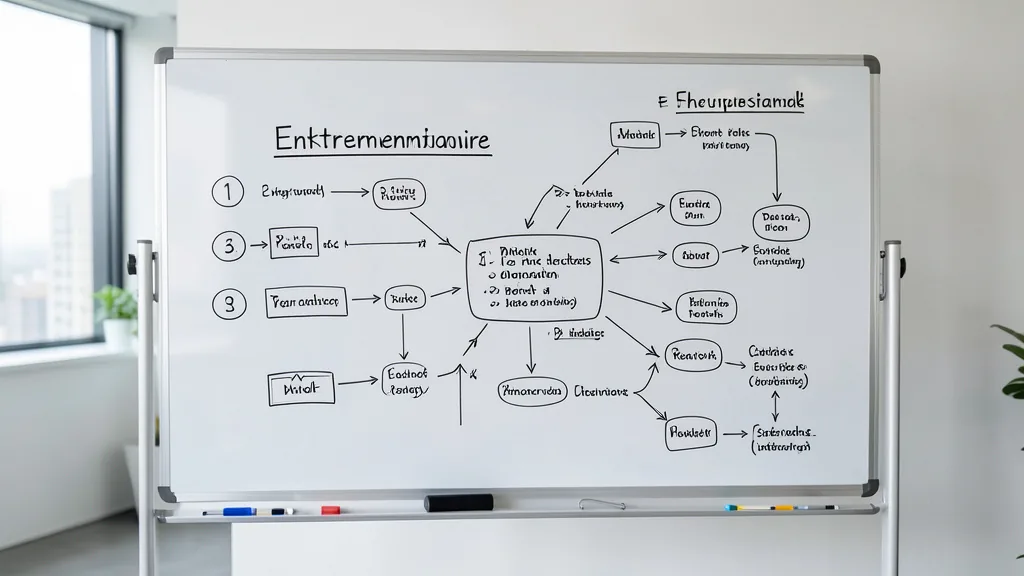
Navigating the Scaling Minefield
The journey from a local success story to an international powerhouse is fraught with structural risks. Understanding these pain points is the first step toward mitigation.
Lack of Prioritization
The temptation to pursue every shiny new initiative can lead to a "thinly spread" resource allocation. In 2026, focus is your greatest competitive advantage. Without clear trade-offs, you risk operational chaos and quality degradation.
The "Founder's Trap"
Many founders struggle to transition from hands-on operational tasks to strategic leadership. Relinquishing direct control is uncomfortable but necessary for sustainable growth. Your role must evolve into a representative and empowerer of teams.
Context-Agnostic Expansion
Swiss startups often assume that what works in Zurich will work in London or New York. This is a fallacy. International expansion requires a strategic reset—validating your product-market fit for every new cultural and competitive dynamic.
Scaling Frameworks for 2026
-
01
Evidence-Based Systems
Move from assumptions to data-driven operational decisions.
-
02
Transparent Governance
Establish regular rhythms and shared objectives across departments.
-
03
Tailored Communication
Translate high-level strategy into actionable department-specific messages.
"Scaling is not about making your business larger. It's about making your business better while it gets larger."
— Julian Weber, MBA
The Foundations of Successful Scaling
To build a skyscraper in Geneva or a digital platform in the cloud, you need a foundation that can bear the load. In the context of a startup, this foundation consists of three pillars: Systems, Talent, and Capital.
First, you must build systems rooted in evidence. In the early days, you can survive on gut feeling. As you scale, you need CRM systems, automated reporting, and KPIs that reflect the actual health of your business. If a project isn't delivering, you must have the courage to terminate it early to maintain focus.
Strategic Governance and Transparency
Transparency is the lubricant of a scaling organization. When teams are siloed, friction increases. We recommend implementing frameworks like OKRs (Objectives and Key Results) to align everyone from the CTO in Basel to the marketing intern in Zurich. This governance provides clarity on the "why" behind every task.
Furthermore, look toward resources like Innosuisse coaching programs, which assist high-potential startups in refining their growth strategies and organizational scaling. These initiatives are vital in a market like Switzerland where the bar for operational excellence is exceptionally high.
"The transition from a founder-led company to a leader-led company is the most painful—and most rewarding—part of the entrepreneurial journey."
Investment also plays a key role. According to the EY Startup Barometer 2025, while funding rounds are becoming more selective, the health-tech and AI sectors in Switzerland continue to see robust investment. Securing a Series A or B round is no longer just about survival—it's about fueling the infrastructure necessary for international dominance.
Swiss Scaling Readiness Calculator
Are you truly ready to scale, or are you just growing? Use this tool to evaluate your current organizational maturity across four key dimensions.
Ready to Begin?
Adjust the sliders and click calculate to see your scaling potential based on current Swiss market benchmarks for 2026.
The Swiss Global Playbook

Don't Just Export, Adapt
The biggest mistake is assuming your domestic success will replicate perfectly abroad. Switzerland is a unique sandbox. When entering the EU or North American markets, you must re-verify your market fit. Cultural nuances in sales cycles and consumer trust are often underestimated.

Regulatory Harmonization
Navigating Swiss regulations is already complex. Expanding abroad introduces GDPR, local tax laws, and different IP protections. Consult our guide on Regulatory Compliance to ensure your growth isn't stunted by legal bottlenecks.
The Swiss 2026 landscape is increasingly defined by the "Bridge Strategy"—using Switzerland as a high-trust HQ for R&D and financing, while establishing operational hubs in lower-cost or high-growth jurisdictions. This hybrid model allows for Swiss quality and global scale.

AI: The Great Scaling Multiplier
In 2026, you cannot scale without a robust AI strategy. Whether it’s automating customer support for multilingual Swiss markets or using predictive analytics for supply chain optimization, AI is the difference between linear and exponential growth.
Research from UBS Perspectives highlights how Swiss startups are uniquely positioned to lead in "Ethical AI" and high-stakes B2B applications, leveraging the nation's reputation for reliability.
- Hyper-personalized marketing automation.
- Automated financial compliance and auditing.
- AI-driven talent matching to combat the Swiss labor shortage.
Expert Resources
Curated links to further your understanding of the Swiss scaling ecosystem.
Strategic Shifts
What it really takes to scale a company in the current economic climate.
Read More →Scaling FAQ
When is the right time to start scaling?
Scaling should begin once you have achieved clear product-market fit and your unit economics are positive. Scaling a broken business model only accelerates failure. In the Swiss context, ensure you have at least 18 months of runway or a secured Series A.
How do I maintain my company culture during rapid growth?
Culture is not about fruit baskets; it's about shared values and accountability. As you scale from 10 to 50 employees, you must document your values and ensure your hiring process reflects them. Check Success Stories for how other Swiss founders managed this transition.
Is Switzerland too expensive for a scaling startup?
While costs are high, the quality of talent and the stability of the environment are unmatched. Many successful Swiss startups scale by keeping high-value roles (R&D, Strategy) in Switzerland while leveraging remote teams for execution. See Market Insights for cost-benefit analyses.
Ready to Scale Your Vision?
Get personalized advice from Julian Weber and navigate the complexities of the Swiss business landscape with confidence.